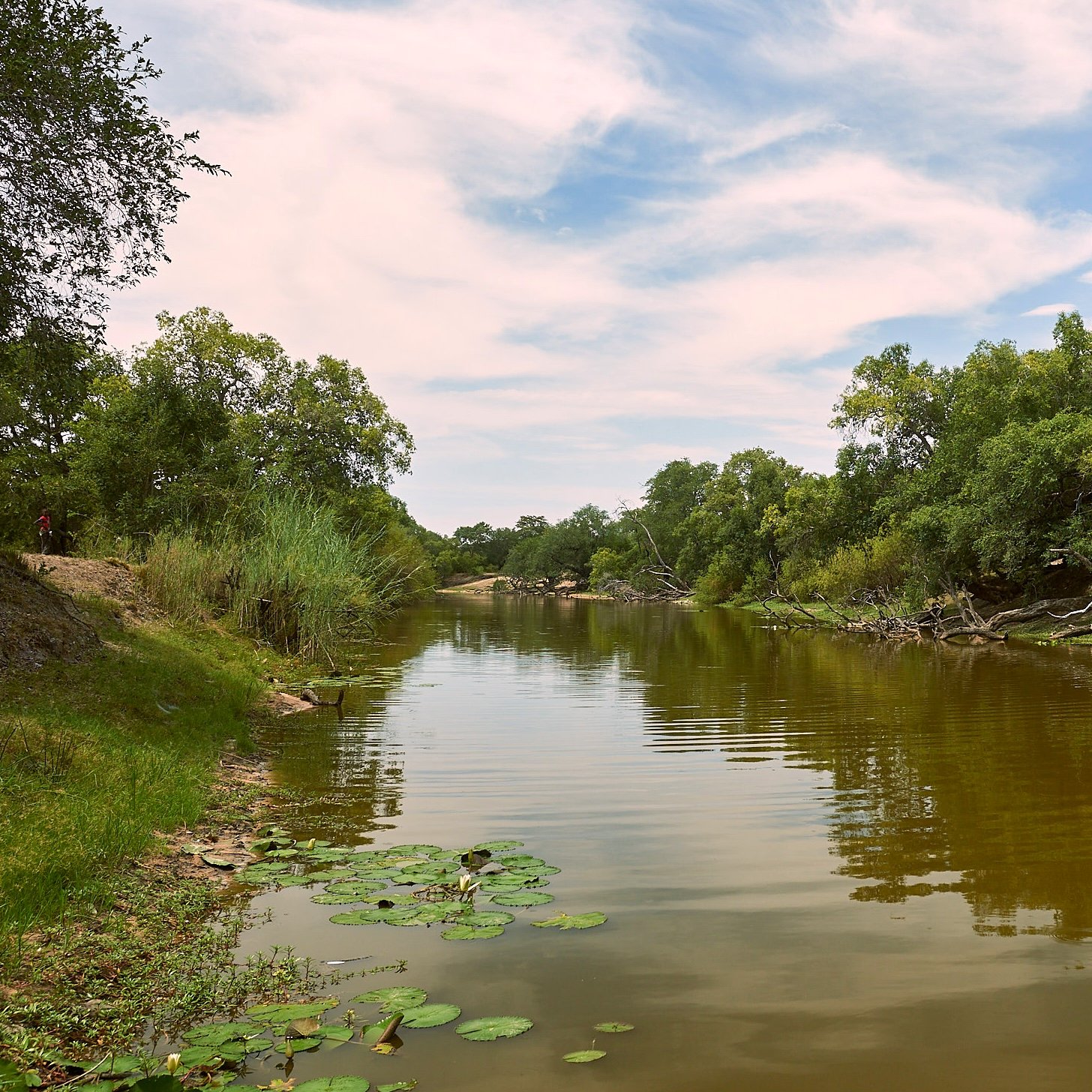
CUVKUN is a 4 year project which aims to improve the management of water resources of the transboundary Cuvelai and Kunene Basins shared by Angola and Namibia. The project is led by the United Nations Development Programme (UNDP) and funded by the Global Environment Facility (GEF) with support from Global Water Partnership Southern Africa (GWPSA) as the Executing Agency.
The project funding is USD 11 167 890, and runs from May 2024 until November 2029, a period of 66 months
Lorem ipsum dolor sit amet, consectetur adipiscing elit. Vivamus egestas finibus elit, eu porttitor lacus. Aenean vulputate non neque at dictum. Duis sed hendrerit nulla. Quisque sem diam, faucibus sed pulvinar et, varius ut nibh. Integer et posuere sapien, suscipit dapibus risus. Fusce posuere turpis ut quam pulvinar, in dapibus lacus volutpat. Mauris elit ligula, interdum nec eleifend non, tristique non nulla. In hendrerit dictum libero, vel efficitur sem cursus non.
Component 1: Strengthening the transboundary and conjunctive water resources management in the Cuvelai River basin
This Component aims to strengthening transboundary and conjunctive water resources management mainly through the strengthening of the knowledge base. Updating the “preliminary” TDA and the existing Cuvelai Basin IWRM Plan will be the main tools used to achieve this.
Component 2: Strengthening transboundary water resources management with future development scenario analysis in the Kunene River basin
This will be achieved mainly through the strengthening of the knowledge base, and then using it to examine suitable development scenarios which could potentially underpin the IWRM Plan to be developed for the basin.
Component 3: Strengthening the governance of the Cuvelai and Kunene River Basins to foster joint management by the two countries in the most cost-effective manner
Historically the two countries have cooperated closely in the management of these two basins, in particular for the Kunene Basin, largely as a result of its evident hydropower potential. There are proposals to transform the PJTC into a river basin commission similar in nature to other River Basin Organizations (RBOs) in the region, such as CUVECOM on the Cuvelai River Basin. The countries are well on the way to adopting similar provisions as those in place for CUVECOM (Cuvelai Basin). This has been discussed by the Kunene PJTC, as the solution of a joint (Cuvelai and Kunene) Secretariat.
Component 4: Strengthening institutional, technical and operational capacity in Angola to sustainably develop and manage the sub-region’s water tower located in southern Angola
The source areas of both rivers lie in areas that were devastated during the Angolan Civil War. The concerned provinces (Cunene, Huila and Huambo) are development priorities for the Angolan Government. Considering that the Angolan Central Highlands form the water tower for the Kunene, Cubango, Cuito, Cuvo and Cuanza rivers, their management is absolutely critical, not only for Angola but also for Namibia and other neighbouring countries, which are water-stressed and facing the impacts of climate change. While economic activity in the central highlands is dominated by agriculture, forestry (inlcuding logging) and mining are important economic activities and must be taken into account. Involvement of stakeholders from these sectors is critical.
Component 5: Enhancing the community participation in IWRM to build resilience in their livelihoods
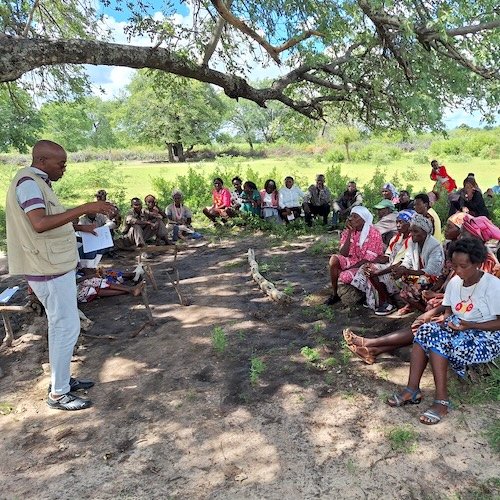
Ensuring sustainable and resilient livelihoods for the basin communities will be at the centre of the proposed interventions. Improved livelihoods and increased resilience and adaptive capacity to climate change and variability are critical to both poverty alleviation and sustainable development.
Component 6: Outreach and Knowledge Management for replication, upscaling and stakeholder engagement
This component will support knowledge exchange and information sharing with other RBOs in the region to support the effective and efficient delivery of project results. It will also support dialogue between CUVECOM and the new RBO for the Kunene and other RBOs in the region and further afield.
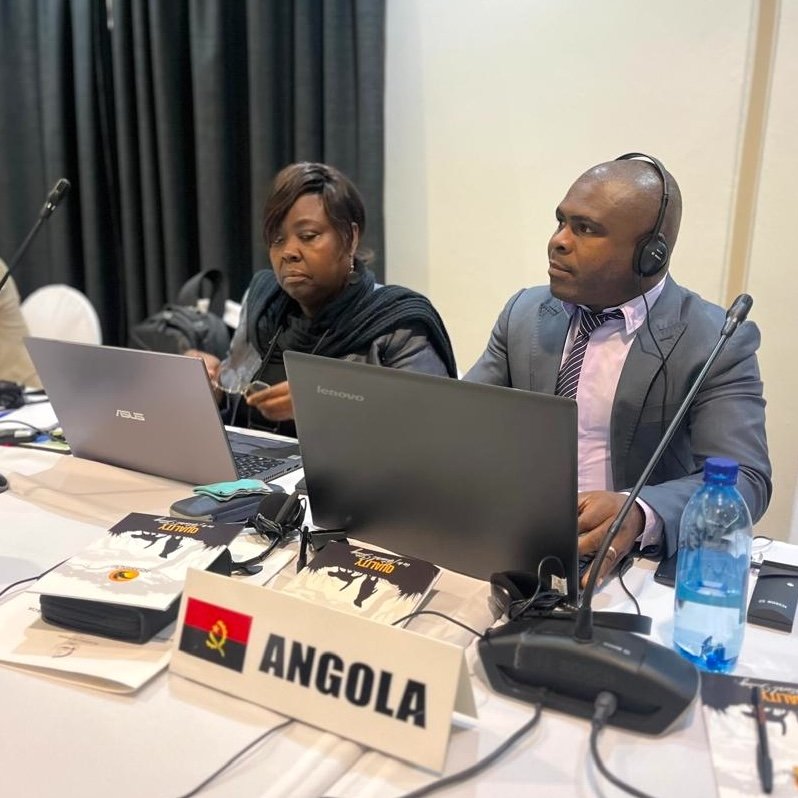
The CUVKUN Project Steering Committee (PSC) is the primary governance body responsible for overseeing the project’s strategic direction and ensuring it achieves its objectives. Its role is to provide high-level guidance, make key decisions, and ensure accountability throughout the project’s lifecycle.
The Project Management Unit (PMU) of the CUVKUN project is responsible for the day-to-day management and coordination of all project activities. It serves as the operational hub, ensuring that the project’s strategic goals are translated into actionable plans and that all implementation is executed efficiently and on time. The PMU is located in Oshakati, Namibia.
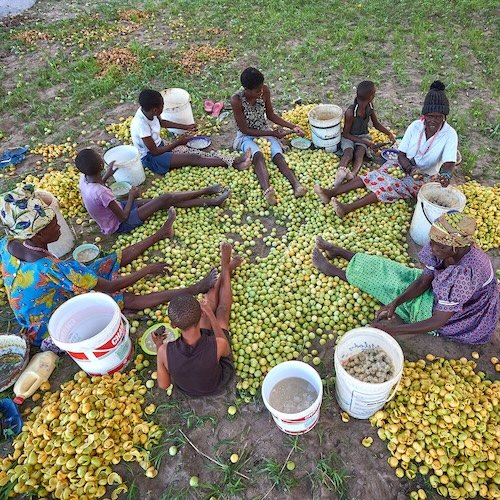
The Global Environment Facility has financed transboundary water cooperation across shared fresh and marine water systems since its inception in 1991. Globally, more than 300 watersheds and an even greater number of aquifers cross the political boundaries of two or more countries. These watersheds, which cover about half of the Earth’s land surface, are home to about 40 percent of the global population.
Cooperation on water, therefore, is a must in most international basins to support the need for water, food, energy, and ecosystems security and increase resilience for each nation.
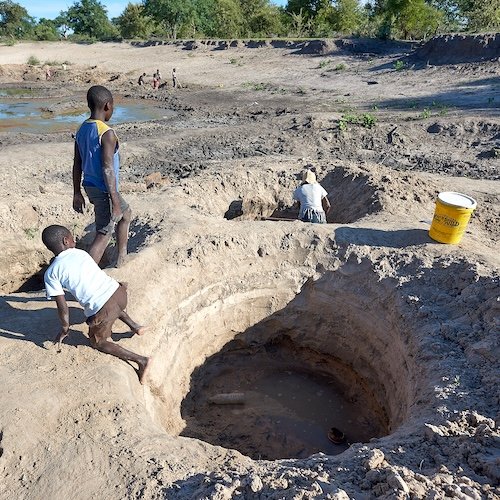
Key challenges to the socio-economic and environmental sustainability of the Cuvelai and Kunene River Basins include increasing water scarcity, hydrological variability, and land degradation. These issues are exacerbated by climate change, which has led to more frequent and severe droughts and floods. In addition, water quality degradation from poor land use practices and limited sanitation infrastructure is becoming an increasing concern.