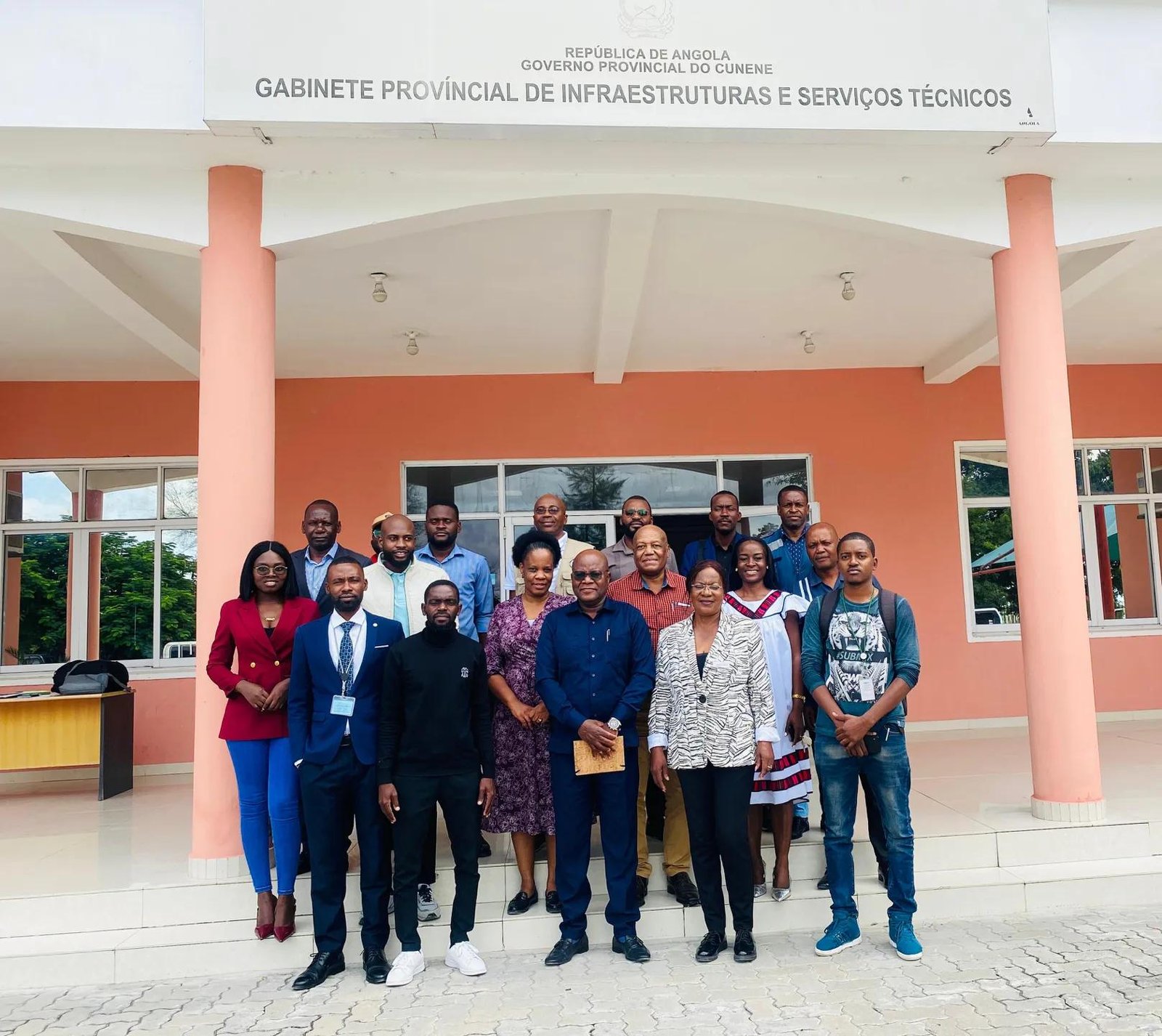
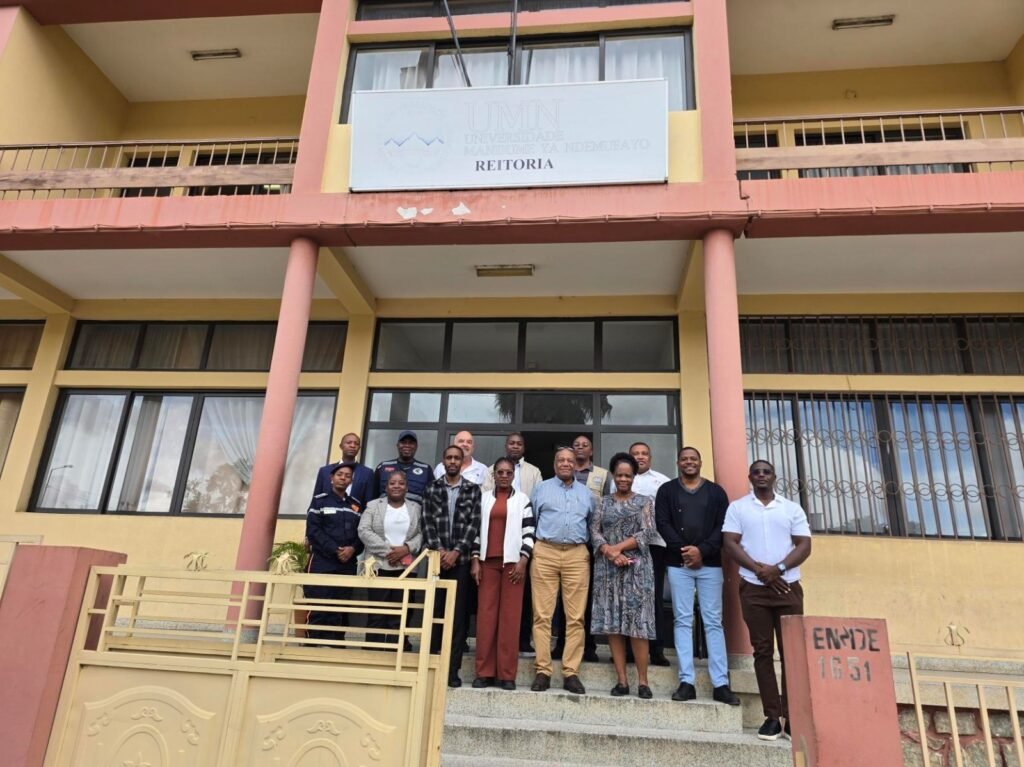
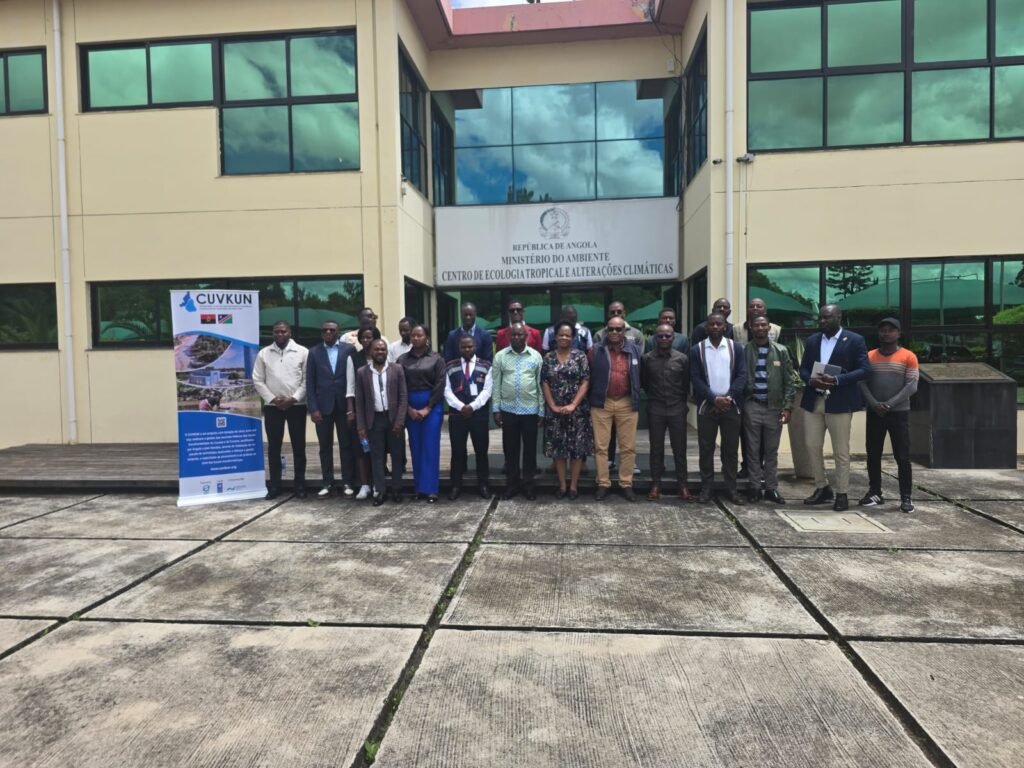
The CUVKUN Project conducted a series of stakeholder consultations from March 24 to 31, 2026, for the Transboundary Diagnostic Analysis (TDA) of the Kunene and Cuvelai River Basins. Sessions took place in four Angolan cities of Ondjiva, Lubango, Huambo, and Luanda, bringing together representatives from government institutions and partners across the water, agriculture, environment, gender, and hydropower sectors.
The consultations aimed to identify and prioritize the key transboundary environmental challenges affecting the shared basins, laying the groundwork for the TDA and the Strategic Action Programme (SAP).
“The TDA process is essential for identifying the root causes of transboundary problems and supporting sustainable solutions for our shared basins,” said Ms. Viviane Kinyaga, Lead TDA/SAP Consultant.
The consultations were undertaken under the “Enhanced Water Security and Community Resilience in the Adjacent Cuvelai and Kunene Transboundary River Basins (CUVKUN) Project”. The project is funded by the Global Environment Facility (GEF) and led by the United Nations Development Programme (UNDP) as the GEF Implementing Agency. The Global Water Partnership Southern Africa (GWPSA) is the Executing Agency, while the Cuvelai Commission (CUVECOM) and Kunene Permanent Joint Technical Committee (PJTC) are the focal custodians of the project implementation.
Below are some of the key Issues that were identified:
- Increasing climate variability, with recurring droughts and floods disproportionately impacting the lower Kunene River and the Cuvelai Basin.
- Water quality deterioration in the middle and upper Cunene, linked to inadequate sanitation, agricultural runoff, and mining activities.
- Land and ecosystem degradation, including deforestation, sand mining, soil erosion, sedimentation, and spread of invasive species.
- Degradation of critical headwater areas, threatening the sustainability of river flows across the region.
- Governance and infrastructure gaps compounded by weak inter-institutional coordination, population growth, and climate change.
The activity enabled the identification and prioritization of the main transboundary environmental challenges affecting the Kunene and Cuvelai Basins, contributing to the advancement of data collection, integration, and preparation of the Causal Chain Analysis (CCA). The process will support the development of the TDA, SAP, and National Action Plans, strengthening integrated water resources management.
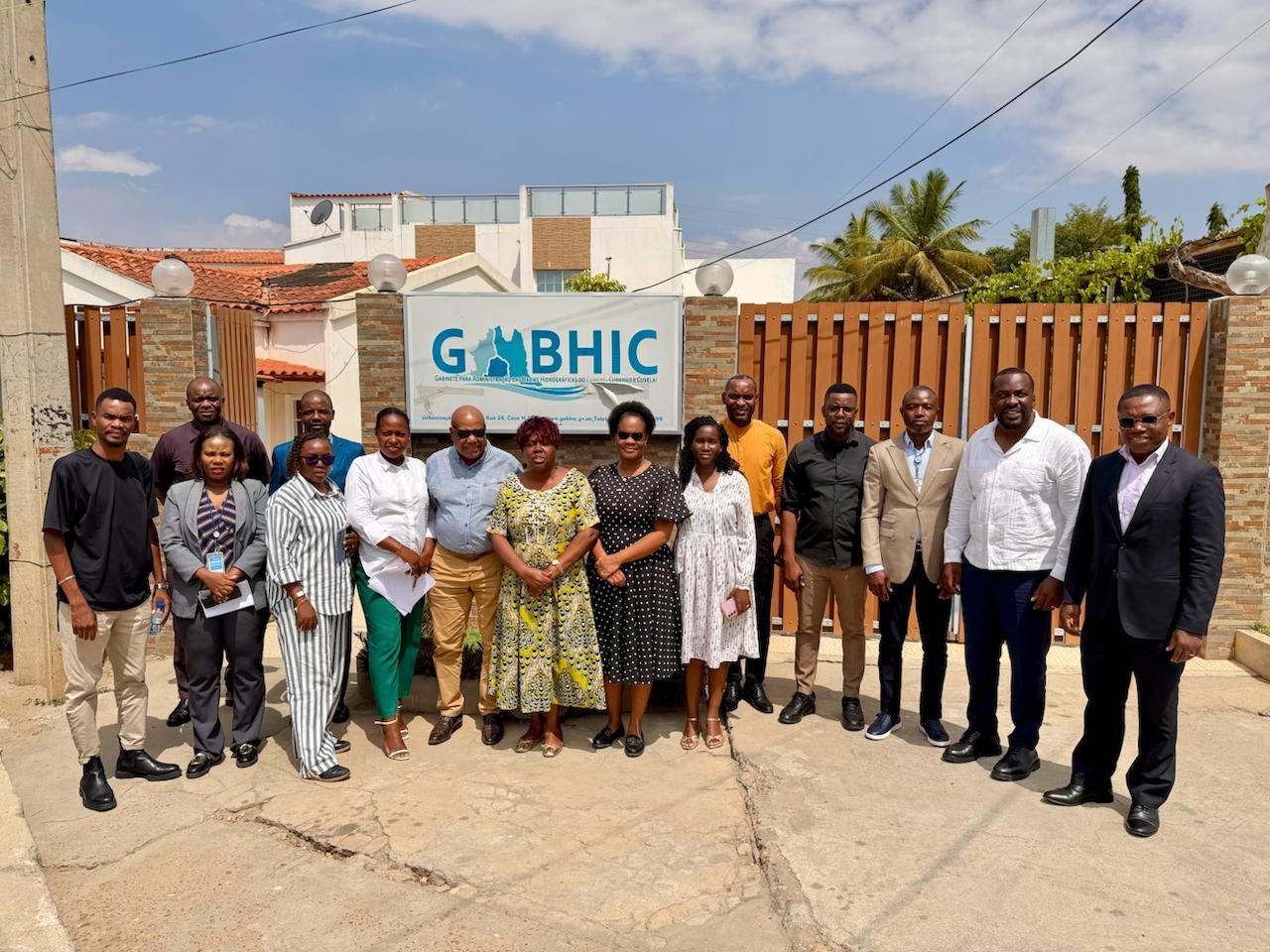
“Communities remain highly vulnerable to droughts and floods. Coordinated and sustainable responses are no longer optional — they are urgent,” said Ms. Ana Sanchez, Representative, Cunene Provincial Office for Infrastructure.
Participants validated the basin system boundaries and agreed to advance to the next phase of the TDA methodology, encompassing regional and socioeconomic analyses and preparation of the Causal Chain Analysis (CCA). These steps will directly inform the TDA, the SAP, and National Action Plans, strengthening integrated water resources management for the benefit of communities, governments, and the environment in both countries.
The CUVKUN project, known in full as the“Enhanced Water Security and Community Resilience in the Adjacent Cuvelai and Kunene Transboundary River Basins (CUVKUN Project),” is funded by the Global Environment Facility (GEF) and led by the United Nations Development Programme (UNDP) as the GEF Implementing Agency. The Global Water Partnership Southern Africa (GWPSA) is the Executing Agency, while the Cuvelai Commission (CUVECOM) and Kunene Permanent Joint Technical Committee (PJTC) are the focal custodians of the project implementation.