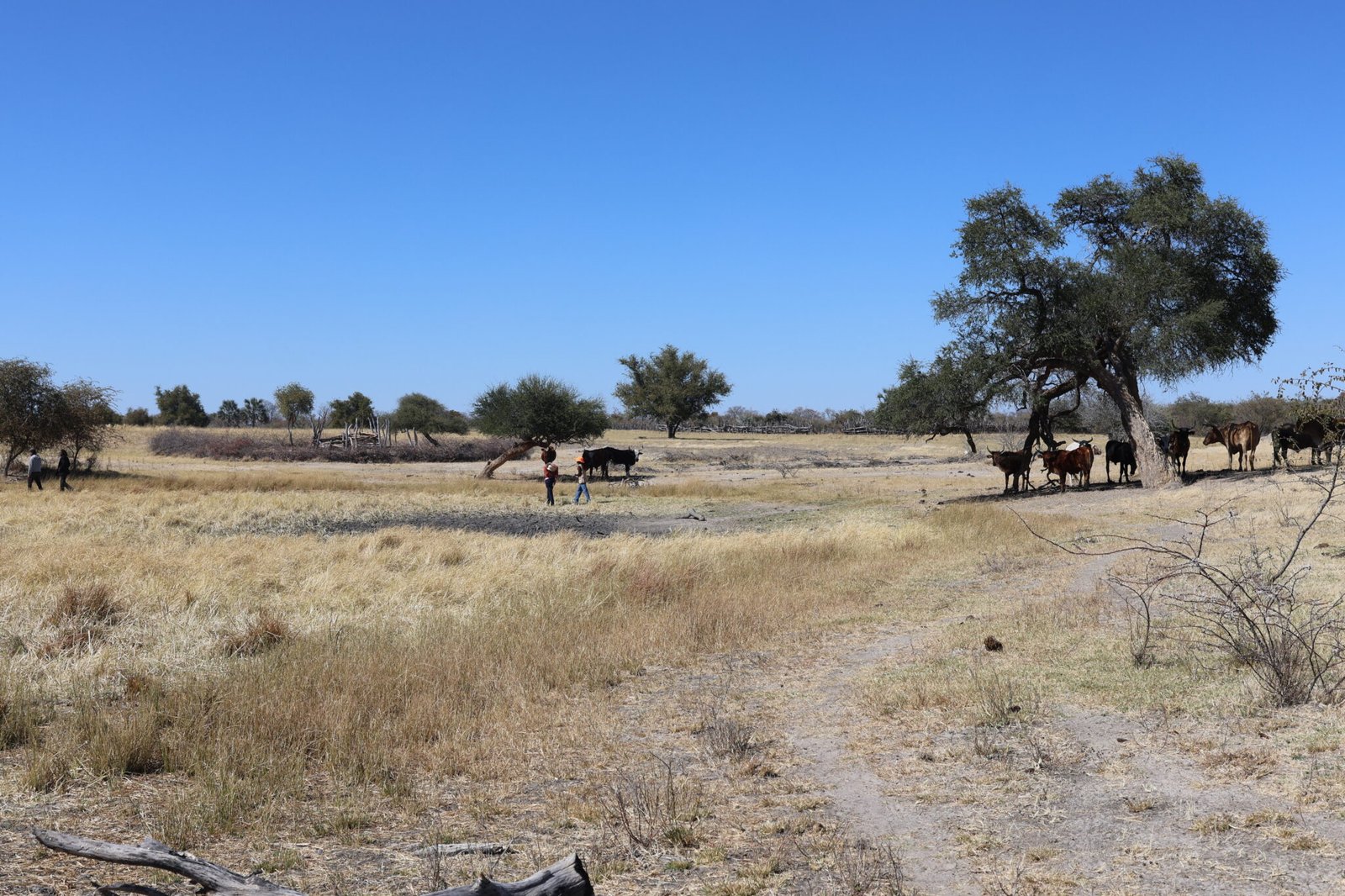
From 17th to 19th August 2026, the CUVKUN Project undertook a joint field mission across eight pilot sites in northern Namibia, with the primary focus on finalizing the rangeland baseline together with the Directorate of Agricultural Production, Extension and Engineering Services (DAPEES). The mission also provided an opportunity to strengthen community engagement, clarify planned interventions, and install project signboards at the respective sites.
The mission was coordinated by the Cuvelai Watercourse Commission (CUVECOM) and the CUVKUN Project Management Unit, working closely with Namibia’s Directorate of Water Supply and Sanitation Coordination (DWSSC), Directorate of Water Resources Management (DWRM), DAPEES, regional technical stakeholders, village headmen and water point committees. The team visited Onamatende, Okanyanona, Omboloka, Oluwaya, Sha-Nalumono, Shapoko, Ombundamuti and Olupumbu pilot sites.
Finalizing the Rangeland Baseline
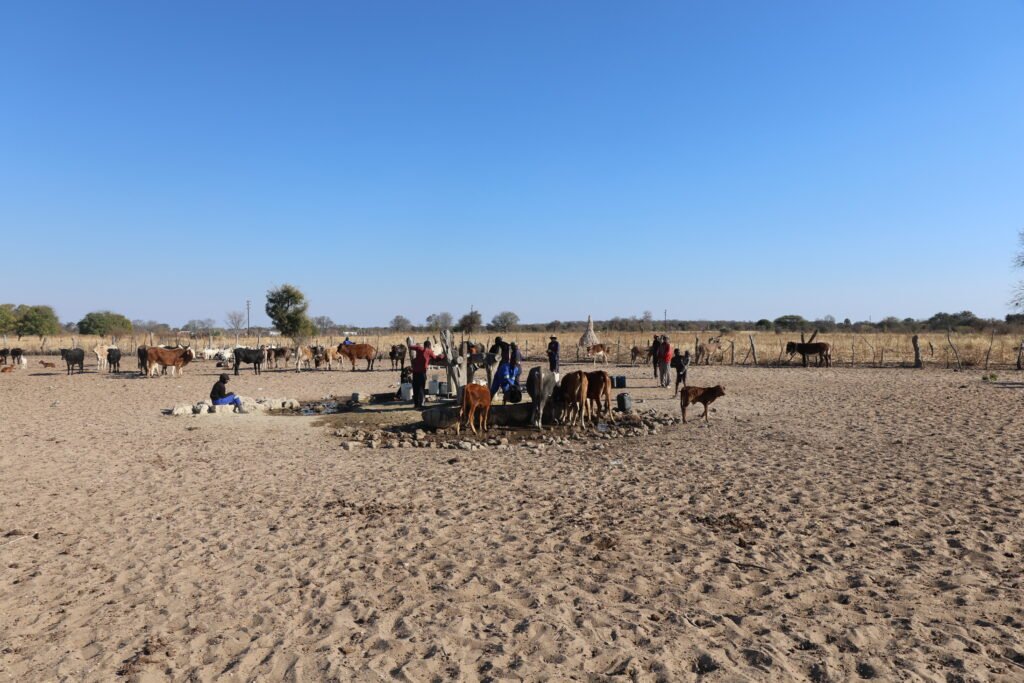
A key objective of the mission was to consolidate the rangeland baseline information required to guide future sustainable land and pasture management interventions at the pilot sites. Working with DAPEES was critical in ensuring that the baseline reflects local agricultural conditions, grazing practices, land-use pressures, and the practical realities faced by livestock-dependent communities.
At each site, the team engaged local leaders and community representatives to better understand current grazing conditions, land degradation concerns, livestock management practices, and opportunities for improved rangeland management. These discussions helped refine the information needed to support site-specific planning and to identify priority areas for future interventions.
The baseline will provide an important reference point for measuring changes over time and for guiding activities such as sustainable grazing management, land restoration, improved pasture use, and community-based rangeland management.
Linking Technical Planning with Community Knowledge
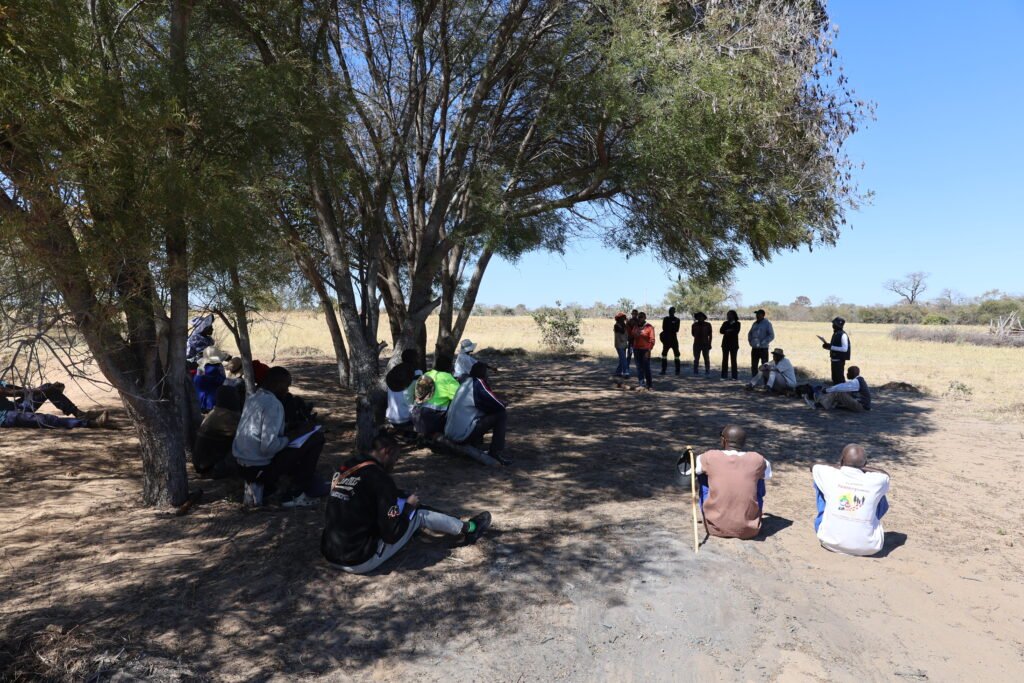
The field mission also created space for technical discussions between DAPEES, DWSSC, DWRM, the CUVKUN team, and local communities. This helped ensure that future interventions are informed not only by technical assessments, but also by local knowledge and existing community practices.
The engagement highlighted the importance of combining water security and Rangeland management, particularly in areas where livestock production depends heavily on access to reliable water sources and healthy grazing land. The joint participation of water and agricultural authorities therefore strengthened the integrated approach of the project.
Signboards as Part of the Wider Engagement
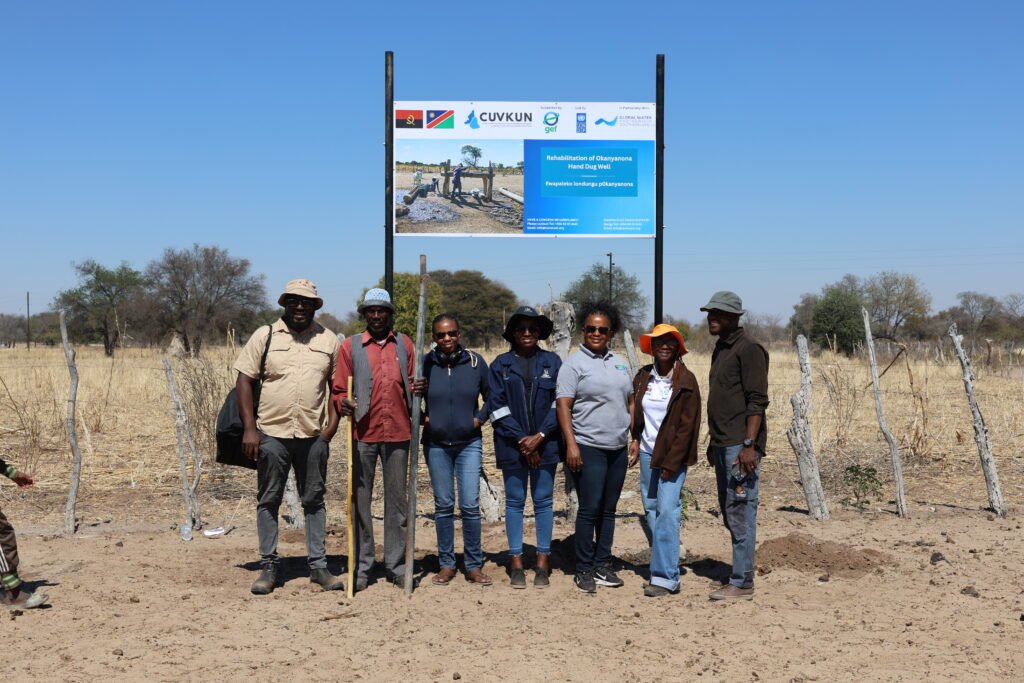
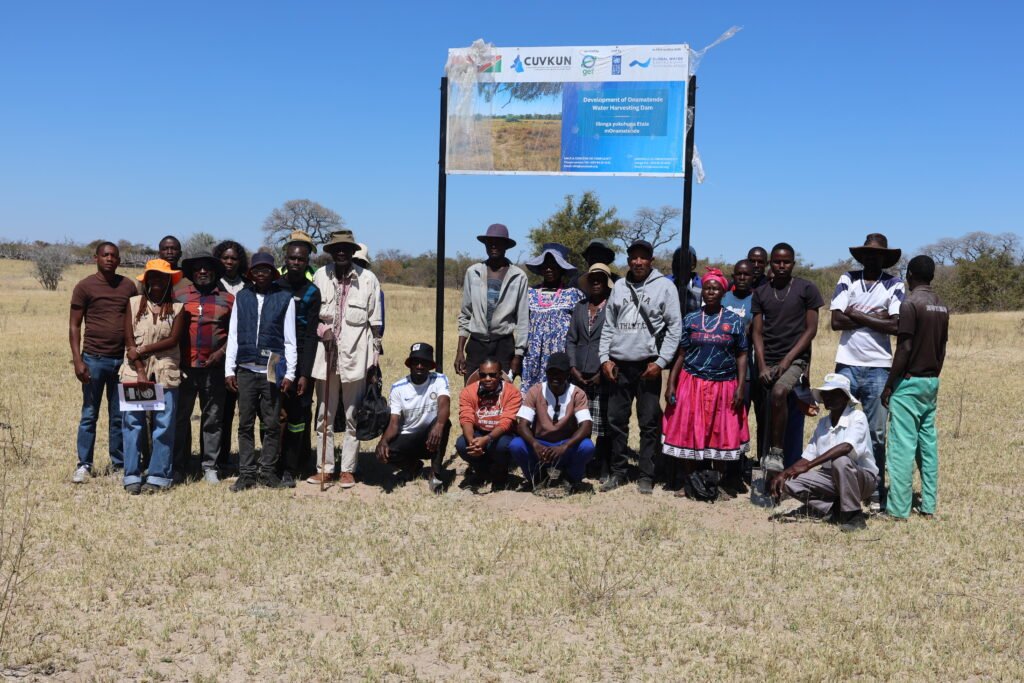
As part of the mission, project signboards were installed at eight pilot sites. Although the installations were not the primary purpose of the visit, they served an important communication, visibility, and accountability function by providing a visible landmark that communities can identify with and remember as a symbol of the project’s interventions and the partners supporting them. The signboards increased awareness of the planned activities, reinforced the message that the project is progressing from planning toward implementation, and highlighted that communities will continue to play an active role as activities advance.
In addition, the signboards provided information on how communities can raise questions, concerns, or complaints through the project’s Grievance Redress Mechanism (GRM), thereby promoting transparency and accountability. The awareness-raising activities conducted during the mission further provided an opportunity to foster a sense of community ownership and shared responsibility, as well as assess and strengthen the capacity of water point committees and village leadership to effectively engage, educate, and mobilise communities on the importance of safeguarding the infrastructure against potential vandalism, promoting responsible use, and ensuring the long-term sustainability of the interventions.
Preparing for Implementation
The information gathered during the mission will now be used to finalize the rangeland baseline and inform site-specific intervention roadmaps. It will also support upcoming farmer training, sustainable grazing initiatives, land restoration measures, and related infrastructure interventions.
The field mission demonstrated the value of close collaboration between CUVKUN, CUVECOM, DWSSC, DWRM, DAPEES, and community structures. The project is strengthening the foundation for more sustainable rangeland management, improved water security, and greater resilience across the pilot communities through grounding of future interventions in both technical evidence and community knowledge.